Clyde North drivers face a unique mix of challenges: construction dust from new estates, tree sap on tree-lined streets, road grime from the Monash and South Gippsland Highway, harsh summer UV, and the occasional bird dropping. Keeping your car looking its best — and protecting its resale value — takes more than the occasional wash.
This guide is the hub for everything we've written about car care. Each section below links to a deeper article on that topic, so you can jump straight to what matters for your car.
How often should you wash your car?
For most Clyde North drivers, every two weeks is the sweet spot. Wash weekly if you park under trees, drive on dirt roads, live near the coast, or during summer. Cars with ceramic coating can sometimes stretch to three to four weeks between washes — but still need regular cleaning to maintain the coating.
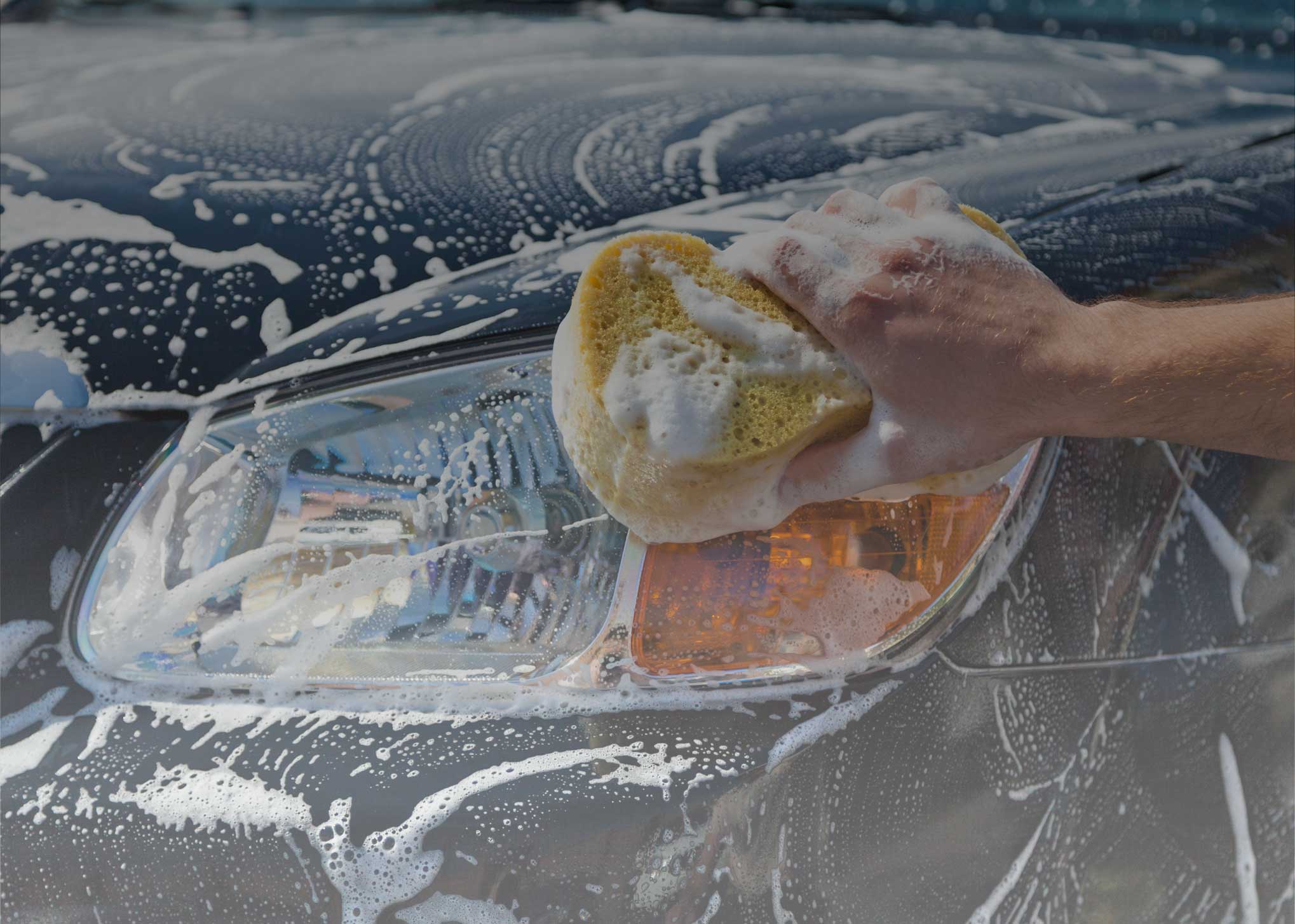
Left too long, dust and bird droppings can etch the clear coat, and road grime bonds tighter the longer it sits. Hand washing is always safer than automatic brush washes, which trap grit and can leave swirl marks in your paint.
Read the full guide: How Often Should You Wash Your Car? →
Is ceramic coating worth it?
Ceramic coating is a long-term paint protection that bonds to your car's clear coat, creating a hydrophobic layer that repels water, UV, and light contaminants. It makes future washes faster, reduces how often your car needs a full decontamination, and keeps the paint looking glossy for years.
Whether it's worth it depends on how long you plan to keep the car and how much you care about paint condition. For most cars kept three years or more, ceramic coating pays for itself in easier maintenance and better resale value.
Learn about our ceramic coating packages →
Interior cleaning tips
Interior care is often overlooked but matters just as much as exterior. Vacuum first to lift loose dirt, then treat fabrics and leather with pH-balanced cleaners — not harsh all-purpose sprays that dry out surfaces. Finish glass streak-free and avoid silicone-heavy dressings that attract dust.
For pet owners, a dedicated pet hair removal tool and upholstery extraction makes a huge difference. For families with kids, wipe up spills immediately before they set into fibres.
Read the full guide: Interior Cleaning Tips →
Paint protection options
Beyond ceramic coating, paint protection film (PPF) is the strongest defence against stone chips, scratches, and light impact damage. PPF is a clear urethane film applied to high-impact areas — bonnet, front bumper, mirrors, and rocker panels. It's ideal for highway commuters and high-value cars.
For most daily drivers, ceramic coating alone provides enough protection. For cars that see frequent highway driving or are a significant investment, PPF + ceramic coating is the ultimate combination.
Learn about paint protection film (PPF) →
Seasonal car care
Clyde North's climate brings distinct seasonal challenges:
- Summer: UV exposure and dust are highest. Wash weekly and consider ceramic coating for UV protection.
- Autumn: Falling leaves and tree sap are the main concern. Wash more frequently if you park under trees.
- Winter: Rain, road grime, and occasional salt spray from highway driving. Wash every two to three weeks — don't skip because it's cold.
- Spring: Pollen and dust from construction activity. Rinse pollen off before it bonds to paint, especially after rain.
Adjusting your wash schedule to the season keeps your car protected year-round.
Wash vs. detail — what's the difference?
A car wash cleans the surface — foam, rinse, vacuum. Detailing goes deeper: hand polish, clay bar paint decontamination, leather and upholstery conditioning, and engine bay cleaning. A wash keeps a car clean; a detail restores it.
We recommend a full detail every three to six months for most daily drivers, with regular hand washes in between. Detail sooner if you've bought a used car, had pets in the back seat, or driven through heavy dust.
Need help deciding what your car needs? Call us on 0450 007 415 — we'll tell you honestly whether you need a wash, a detail, or paint protection, based on your car's condition and how you use it.


